5 Pigment Matching Strategies for Stretch Mark Camouflage
Inked n Linked • August 19, 2026
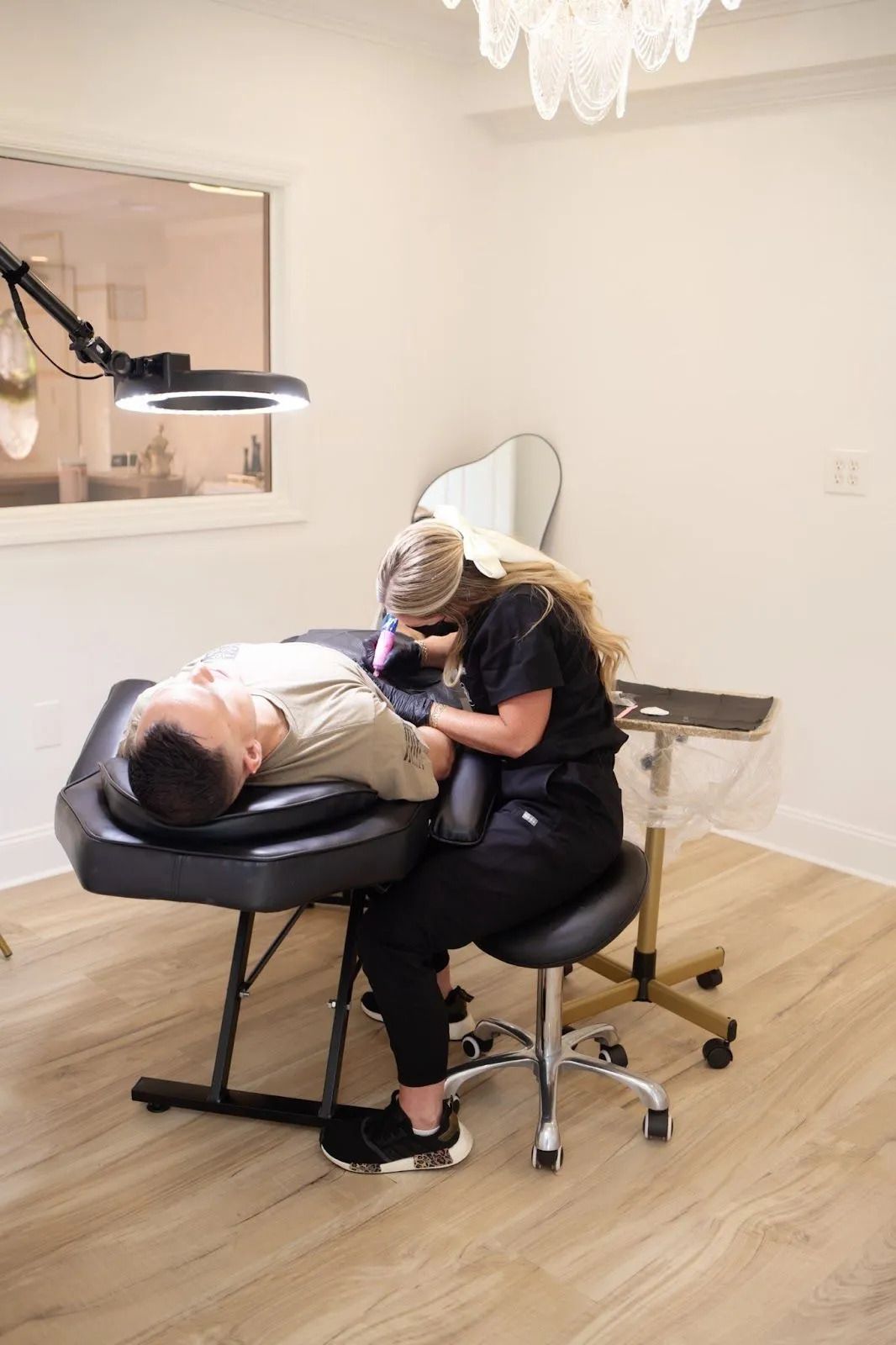
Dealing with noticeable skin tearing from rapid weight changes or pregnancy often leaves people feeling self conscious in their own bodies. Traditional topical creams promise miracles but fail to address the deep structural changes that occur when the dermis stretches and tears. At Inked n Linked we utilize advanced micropigmentation to visually blend these marks directly into your surrounding tissue. Similar to our areola restoration services our clinical stretch mark camouflage process restores your confidence by concealing uneven tones safely.
Many clients assume this process works just like a standard fine line tattoo or applying a layer of liquid foundation. The reality is that blending damaged tissue requires an incredibly precise understanding of cellular healing and color theory. We compiled five highly technical pigment matching strategies our artists use to achieve a flawless natural look. Reviewing these methods helps you understand the clinical precision required for successful skin camouflage in the Pittsburgh area.
What We Cover Today
- Tip 1 Analyzing Melanocyte Activity
- Tip 2 Formulating for Fading
- Tip 3 Testing Tissue Density
- Tip 4 Accounting for Seasonal Melanin Shifts
- Tip 5 Blending With Micro Droplets
- Frequently Asked Questions
- Restoring Your Skin Confidence
Tip 1 Analyzing Melanocyte Activity
Damaged skin lacks the normal melanin producing cells found in healthy tissue. We must evaluate how your healthy skin produces color before selecting a camouflage ink.
- Cellular Assessment: We look closely at the contrast between the white scar tissue and the active melanocytes in the surrounding healthy skin.
- Pigment Selection: We choose a base tone that mimics your natural resting melanin level to ensure the treated area does not look painted or artificial.
Tip 2 Formulating for Fading
Cosmetic ink behaves differently in the body than traditional heavy tattoo ink. The body naturally metabolizes semi permanent pigments over several years.
- Predictive Mixing: We mix the pigment slightly warmer than your current skin tone to account for the natural cooling effect that happens during the healing process.
- Trade Insight: Deep dermal tissue absorbs yellow and red undertones faster than brown so we overcompensate with warmth to prevent an ashy appearance down the road.
Tip 3 Testing Tissue Density
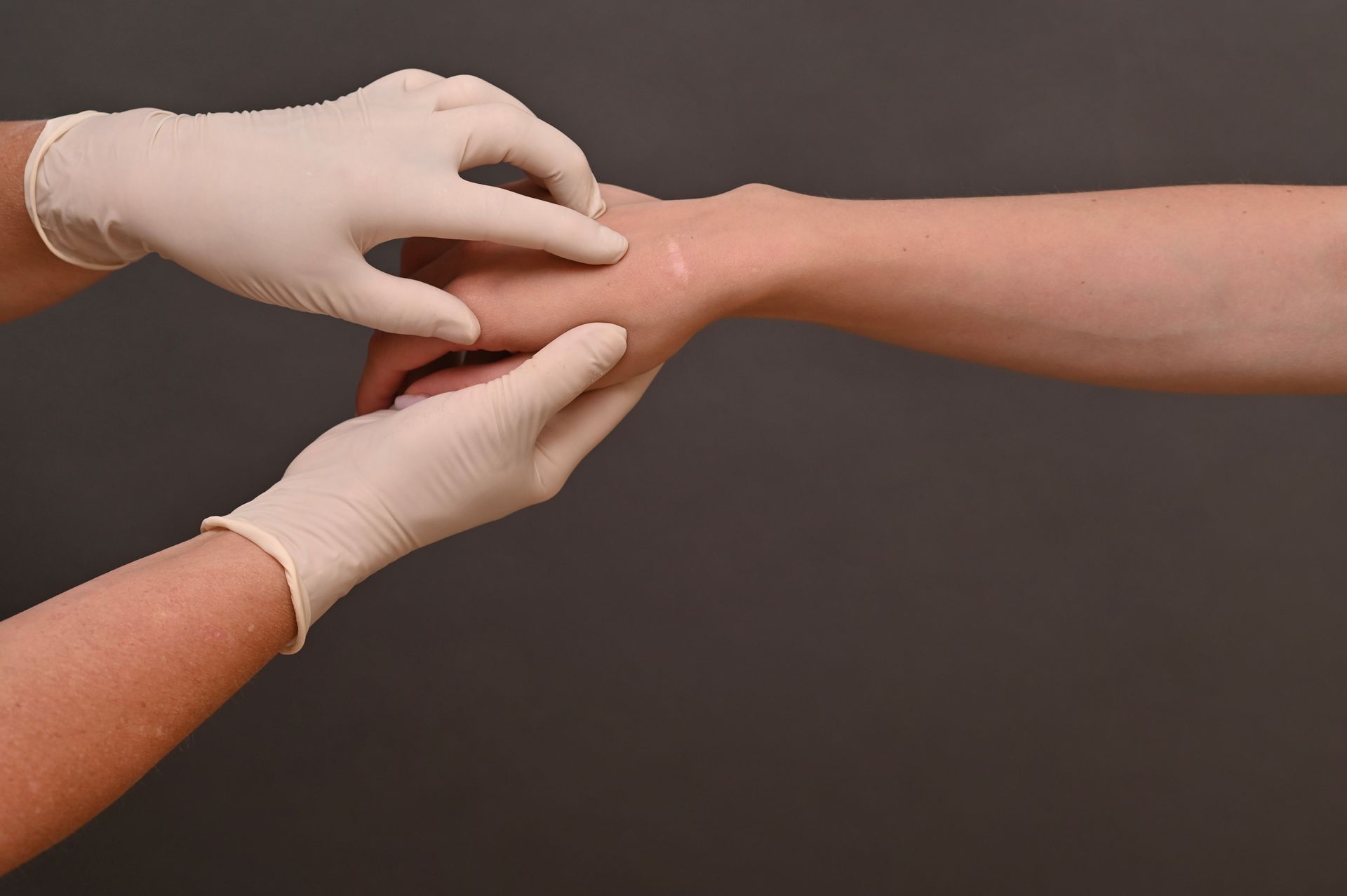
Stretch marks often feature very thin translucent skin that accepts ink differently than normal tissue. Assessing this density prevents the color from blowing out and spreading beneath the surface.
- Needle Depth Calibration: We adjust our single needle machines to penetrate just below the epidermis without hitting the deeper vascular layers.
- Trade Insight: Because stretch marks lack typical collagen structures we use a highly diluted pigment wash rather than a dense packing technique to ensure the color looks like natural skin.
Tip 4 Accounting for Seasonal Melanin Shifts
Your natural skin tone changes throughout the year based on sun exposure. We must match your baseline winter color rather than your summer tan to ensure year round consistency.
- Baseline Matching:
We evaluate areas of your body that rarely see the sun to establish your true base tone for the procedure.
- Sun Exposure Protocol: If we match the pigment to a dark summer tan the camouflaged marks will look like dark brown stripes when your natural tan fades in December.
Tip 5 Blending With Micro Droplets
Creating a solid block of color over a stretch mark looks entirely unnatural and draws more attention to the area. Soft blending is required for a truly undetectable finish.
- Pointillism Technique: We deposit tiny micro droplets of pigment along the borders of the mark rather than shading it solidly from edge to edge.
- Visual Illusion: This scattered approach creates a soft gradient that tricks the human eye into seeing a smooth continuous skin surface.
Frequently Asked Questions
How long must a stretch mark heal before undergoing camouflage treatment?
The tissue must be completely healed and white in color before we can safely deposit pigment. Red or purple marks indicate that the body is still actively sending blood flow to heal the micro tears in the dermis. Tattooing over active vascular tissue causes massive inflammation and forces the body to reject the cosmetic ink entirely.
Can laser treatments be combined with micropigmentation for better results?
You must complete any laser resurfacing sessions long before starting the camouflage process. Lasers work by destroying pigment and stimulating collagen which will instantly erase the custom cosmetic ink we place into the skin. We recommend waiting at least six months after your final laser appointment before booking a consultation for pigmentation.
Does the micropigmentation process stimulate natural collagen production?
Yes. The repetitive motion of the fine needles creates controlled micro trauma in the damaged tissue. This physical stimulation triggers your body to send fresh collagen and elastin to the area which can slightly plump and smooth the physical indentation of the mark while we correct the color.
Restoring Your Skin Confidence
Concealing damaged tissue requires an expert understanding of color theory and human biology. Choosing a highly trained artist ensures your stretch mark camouflage blends perfectly and lasts for years. Reach out to our clinical team today to book your consultation and take the first step toward smoother looking skin.
Share This Blog