Areola Restoration FAQs: Pain, Healing, Longevity and Results Explained
Inked n Linked • December 17, 2025
December can be a meaningful month to complete your aesthetic journey—there’s natural downtime, cozy sweaters for discreet healing, and a fresh start ahead. If you’re exploring areola restoration in Pittsburgh, Inked n Linked provides compassionate, detail-driven areola tattooing (micropigmentation) designed to restore balance and confidence after breast reconstruction or pigment loss. Below, we answer top questions about pain, healing, longevity, and results, tailored to our local climate and lifestyle.
What is areola restoration and who is it for?
Areola restoration—also called areola tattooing or nipple tattoo—is a specialized cosmetic procedure that recreates the appearance of the areola with carefully layered pigments. It’s ideal after mastectomy and reconstruction, breast reduction or augmentation, gender-affirming surgery, or natural pigment changes. Our artists use advanced shading and color theory to deliver natural-looking results that complement your skin tone and surgical outcome. Many clients come to us after care at UPMC or AHN facilities and appreciate our private, welcoming studio environment.
Does areola tattooing hurt?
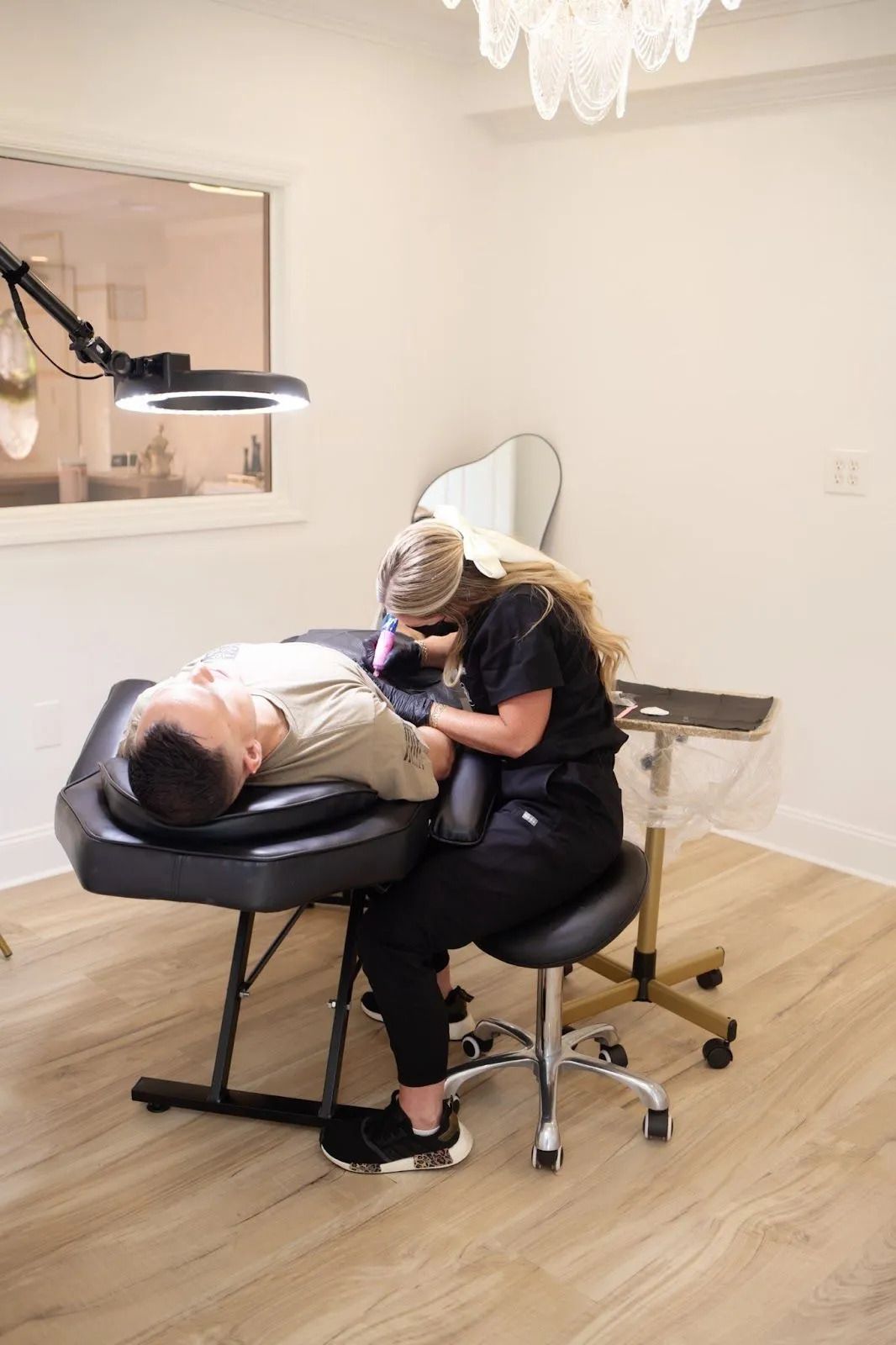
Most clients report mild to moderate discomfort, often less than expected. Sensation varies depending on surgery type and healing; some areas may feel numb while others are more sensitive. At Inked n Linked, we use gentle techniques, topical comfort measures when appropriate, and frequent breaks. Sessions typically last 1–2 hours, and we proceed at your pace. If you have specific pain-management guidance from your surgeon, bring it to your consultation so we can tailor your experience.
Healing timeline: what to expect in winter
Pittsburgh’s dry, cold air makes moisture management extra important. Typical stages:
- Days 1–3: Color appears bolder; slight tenderness and dryness are normal.
- Days 4–7: Light flaking as a protective film forms—no picking.
- Weeks 2–4: Color softens to its healed shade; skin regains flexibility.
- 6–8 weeks: Touch-up window for perfecting symmetry, color, and soft 3D effects.
Winter aftercare tips
- Keep the area clean and dry; apply only the balm provided.
- Avoid soaking (baths, pools, hot tubs) and high-heat saunas until healed.
- Wear soft, breathable fabrics; consider a non-abrasive bralette.
- Limit heavy upper-body workouts for a few days to reduce friction.
- Shield from cold winds when outdoors; change out of damp layers promptly.
How long do results last?
Areola restoration is long-lasting, with results typically maintaining for several years. Longevity varies by skin type, surgical scarring, immune response, and sun exposure. Because winter has lower UV levels, December touch-ups often retain beautifully. Once healed, daily SPF on the chest (year-round) and gentle skincare help preserve color. Many clients schedule a refresh in 2–4 years to keep tones natural and even.
What do final results look like?
Our approach emphasizes realism and harmony. We blend pigments to match undertones, add soft shading to create the illusion of projection, and fine-tune edges for symmetry that suits your unique anatomy. Scar tissue can reflect light differently, so we layer carefully to avoid ashy or overly warm tones. True to our “custom fit anything” philosophy, design decisions—from areola diameter to color depth—are made collaboratively with you.
Who is a good candidate—and who should wait?
Good candidates:
- Healed post-reconstruction patients cleared by their surgeon
- Individuals with areola fading or asymmetry seeking balance
- Clients ready for a low-maintenance solution with natural results
Consider waiting if:
- You’re within the immediate post-op healing window
- You have active skin conditions or infections in the area
- You’re pregnant or nursing
- Your surgeon has advised delaying pigment procedures
- Always consult your medical team; we’re happy to coordinate timelines and care notes.
Your consultation at Inked n Linked
Expect a private, respectful experience in our Pittsburgh studio. We discuss goals, review medical history, assess scar maturity, and perform precise mapping. We’ll show pigment swatches under multiple lighting conditions—useful in gray winter skies—and outline your personalized plan, including touch-up timing. Our mission is to make you feel comfortable, informed, and supported at every step.
Begin your next chapter with confidence
If you’re considering areola restoration in Pittsburgh, December is a thoughtful time to start. Book a consultation with Inked n Linked to explore color options, see portfolio examples, and design a plan that honors your journey. Limited year-end appointments are available—reserve your spot now and step into the new year feeling whole, seen, and beautifully you.
Share This Blog